The Ultimate Guide to SMS RCS Marketing: Supercharge Mobile Engagement
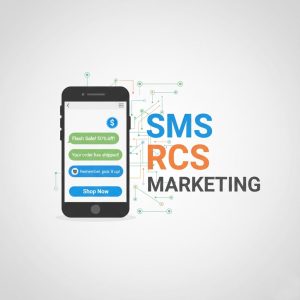
In an era where consumers expect instant, personalized communication, SMS and Rich Communication Services (RCS) have emerged as powerhouses for mobile marketing. While traditional SMS remains a ubiquitous channel with a remarkable 98% open rate, RCS elevates the experience by enabling rich media, interactive buttons, and branded messaging. This comprehensive guide will walk you through everything you need to know about SMS & RCS marketing in 2025—from fundamentals and benefits to best practices, compliance, integration strategies, and performance measurement.
Why SMS & RCS Marketing Matters
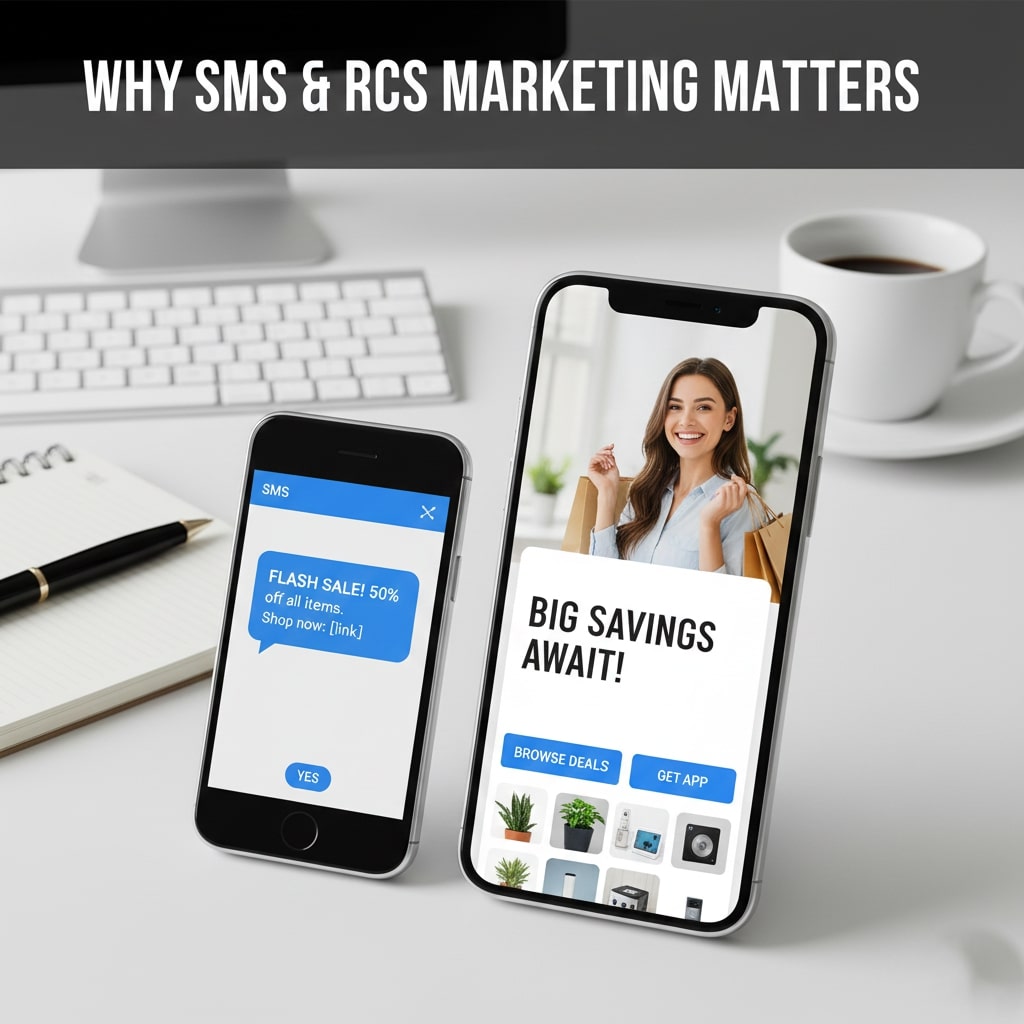
Mobile devices have become the primary touchpoint between brands and customers. According to recent studies, consumers check their phones over 150 times a day. SMS (Short Message Service) has been around for decades, yet it still outperforms email and social channels in open and response rates. RCS takes messaging to the next level, combining the reliability of SMS with the interactive capabilities of modern chat apps like WhatsApp or iMessage.
Understanding SMS vs. RCS
Before diving into strategy, it’s crucial to know the difference between SMS and RCS:
SMS: Plain-text messages, 160-character limit per segment, supported on virtually all phones. Great for alerts, reminders, and short promotions.
RCS: An upgraded standard (backed by GSMA & major carriers) supporting branding, images, videos, carousels, suggested replies, interactive buttons, and read receipts. Requires carrier & device support, but rapidly rolling out globally.
Key Benefits of SMS & RCS
1 Higher Engagement Rates
SMS messages boast a 98% open rate, typically read within minutes. RCS messages can achieve an additional 20–30% uplift in click-throughs due to their interactive format and rich media elements. This high engagement ensures that time-sensitive messages, promotional offers, or important updates reach customers quickly and effectively. The immediacy of SMS combined with the enhanced interactivity of RCS allows brands to capture attention, drive prompt responses, and increase the likelihood of conversions. Businesses can leverage these engagement rates to strengthen customer relationships, maintain top-of-mind awareness, and encourage immediate action on calls-to-action, ultimately contributing to higher ROI and measurable business outcomes.
2 Personalization & Segmentation
Both channels allow dynamic insertion of customer names, order details, appointment times, and even personalized URLs. RCS can tailor hero images or suggested quick-reply buttons based on user behavior and preferences. Personalization enhances the customer experience by making each message relevant, timely, and contextually appropriate, which significantly improves engagement rates. Segmentation allows marketers to target specific customer groups based on demographics, purchase history, browsing behavior, or loyalty status. This ensures that messages resonate with recipients and reduces the risk of unsubscribes or message fatigue. When combined, personalization and segmentation enable brands to deliver tailored communications at scale, fostering stronger relationships, loyalty, and long-term customer retention.
3 Brand Consistency
With RCS, you can showcase your logo, brand colors, and verified sender name, building trust and ensuring customers recognize your messages instantly. Maintaining brand consistency across messages reinforces brand identity and professionalism, which is particularly important in competitive markets. Consistent branding also strengthens credibility, enhances recall, and builds emotional connections with your audience. By integrating logos, color schemes, and brand elements into messaging, RCS allows companies to present a cohesive visual experience that complements other marketing channels, including social media, email, and in-app notifications. Over time, this consistent representation helps foster loyalty, trust, and a positive perception of the brand.
4 Interactive Capabilities
RCS supports carousels, in-message surveys, and one-tap actions (e.g., “Buy Now,” “Confirm Appointment,” “Track Order”), reducing friction and boosting conversions. Interactive elements engage customers directly within the message, making it easier to take desired actions without switching platforms or apps. These features not only improve usability but also provide measurable insights into customer behavior, preferences, and engagement patterns. By using buttons, quick replies, and rich media, brands can create a more immersive and engaging messaging experience that encourages interaction, drives immediate responses, and increases overall campaign effectiveness. Interactive capabilities are particularly valuable for promotional campaigns, transactional updates, and loyalty program communications, enhancing the overall value of SMS and RCS marketing.
High-Impact Use Cases
1 Transactional Notifications
Send shipping updates, payment confirmations, and account alerts via SMS or RCS. With RCS, embed track-and-trace widgets right in the chat window, allowing customers to monitor deliveries in real time. These messages keep users informed, reduce customer inquiries, and enhance the overall post-purchase experience. Transactional notifications also strengthen trust by providing timely, accurate information, ensuring customers feel confident and valued throughout their journey. Leveraging RCS for interactive tracking or actionable updates further improves engagement and satisfaction, making routine communications more effective and user-friendly.
2 Appointment Reminders
Reduce no-shows by 30% using reminders with “Confirm” and “Reschedule” buttons. RCS enables calendar integration for one-tap scheduling, simplifying the process for recipients and increasing adherence rates. Automated reminders save staff time, minimize scheduling errors, and improve operational efficiency. Personalization, such as including customer names, appointment details, or location info, enhances clarity and reduces missed appointments. By combining SMS reliability with RCS interactivity, businesses can maintain stronger client relationships, foster trust, and encourage consistent engagement, ultimately leading to higher satisfaction and retention.
3 Promotional Campaigns
Drive sales with limited-time offers. SMS works well for flash sales; RCS lets you showcase product galleries with pricing and “Add to Cart” buttons, creating an immersive shopping experience directly within the message. Rich media visuals capture attention, highlight features, and increase click-through rates. Personalization can tailor offers based on purchase history, location, or preferences, boosting relevancy and conversion potential. Timely promotions via SMS or RCS also create urgency, encouraging immediate action. Integrating tracking links and analytics ensures you can measure engagement and ROI effectively, optimizing future campaigns for maximum impact.
4 Customer Surveys & Feedback
Collect NPS or post-purchase feedback instantly. RCS quick replies streamline survey responses, raising completion rates above 70%. Interactive elements make it easy for customers to provide insights without leaving the messaging platform. Timely feedback allows businesses to identify pain points, improve services, and demonstrate responsiveness, which strengthens trust and loyalty. Personalizing survey prompts based on purchase behavior or interaction history increases relevance and engagement. SMS can also be used for simple surveys or feedback requests, ensuring broad accessibility. By leveraging these channels for feedback, companies can create a continuous improvement loop and enhance the overall customer experience.
5 Loyalty Programs
Send loyalty point balances, exclusive perks, and redemption links. RCS adds visually rich reward cards and tier-level badges, creating a gamified and engaging experience for customers. Interactive messages encourage participation in rewards programs, drive repeat purchases, and increase brand loyalty. Personalization—such as addressing customers by name, highlighting earned points, or suggesting tailored rewards—enhances relevance and satisfaction. SMS provides a reliable fallback for reminders and updates, ensuring consistent communication. By leveraging both SMS and RCS for loyalty programs, businesses can cultivate long-term relationships, improve retention, and maximize the lifetime value of each customer.
Best Practices for Campaign Success
5.1 Obtain Explicit Consent
Comply with TCPA, GDPR, and other local regulations by requiring customers to opt in. Clearly explain message frequency and types.
5.2 Segment & Target
Don’t send everyone the same blast. Segment by demographics, purchase history, engagement level, or app behavior. Tailored messaging drives higher relevancy and ROI.
5.3 Craft Clear, Concise Copy
SMS thrives on brevity. Aim for 2–3 short sentences. RCS permits longer copy, but keep the core message scannable with bullet points and headings.
5.4 Leverage Rich Media Wisely
Use RCS images or carousels to showcase products, but optimize file size (max 5MB) for fast loading. Test on different carriers and devices to ensure compatibility.
5.5 Include a Single, Strong Call-to-Action
Too many links dilute focus. Whether it’s “Shop Now,” “Confirm Appointment,” or “Leave Feedback,” make your CTA unmissable and one-tap accessible.
5.6 Timing & Frequency
Analyze user behavior to find optimal send times (e.g., afternoons for retail, evenings for entertainment). Limit promotional messages to avoid fatigue—2–4 per month is a good benchmark.
Regulatory & Compliance Tips
- TCPA (US): Written consent required for promotional SMS. Include opt-out instructions.
- GDPR (EU): Record lawful basis for processing personal data. Provide clear unsubscribe options.
- CTIA Guidelines: Follow industry best practices for content, frequency, and opt-out mechanisms.
- Carrier Rules (RCS): Some carriers require pre-registration of message templates and branding assets.
Integrating with Your Marketing Stack
To maximize efficiency and personalization, integrate SMS & RCS with your existing systems:
- CRM Platforms: Sync subscriber data and interaction history for tailored messaging.
- Marketing Automation: Build workflows that trigger SMS/RCS on user events (e.g., cart abandonment, loyalty milestone).
- E-commerce & Order Management: Automate shipping alerts, order confirmations, and upsell prompts.
- Analytics & BI Tools: Centralize performance data to measure channel effectiveness and attribution.
Measuring Performance & ROI
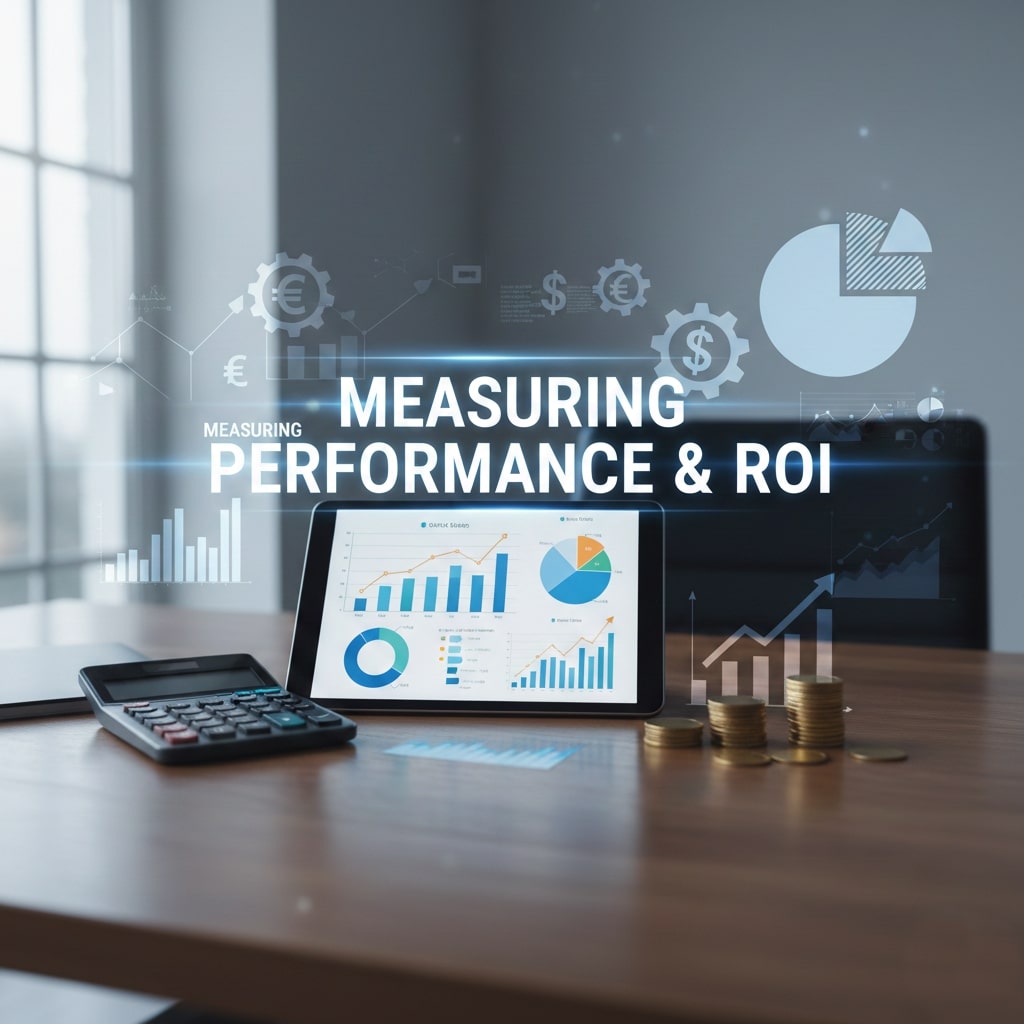
Key Metrics to Track:
- Delivery Rate: Percentage of messages successfully delivered.
- Open Rate (RCS): Proportion of recipients who view the message.
- Click-Through Rate (CTR): Clicks on your CTA or links.
- Conversion Rate: Completed purchases or desired actions attributed to the message.
- Opt-Out Rate: Unsubscribes per total sends—keep this below 1% for promotional blasts.
- ROI Calculation: (Revenue from campaign – Cost of campaign) / Cost of campaign.
Future Trends in Mobile Messaging
9.1 AI-Driven Personalization
Machine learning will analyze user behavior in real time to craft ultra-personalized SMS/RCS experiences, from optimal send times to tailored product recommendations.
9.2 Omnichannel Orchestration
Integrating SMS/RCS with email, social, in-app messaging, and web push for seamless customer journeys that adapt dynamically across channels.
9.3 Conversational Commerce
RCS chatbots will handle simple customer queries, appointment bookings, and even transactions—turning your messaging campaigns into two-way commerce engines.
9.4 5G & IoT Integration
Faster networks and connected devices will enable location-based offers, AR overlays triggered via RCS messages, and richer interactive experiences.
Conclusion
SMS remains a foundational channel for direct, immediate customer communication, while RCS opens up a world of interactivity and brand engagement. By combining these tools in your mobile marketing arsenal—and following best practices around consent, segmentation, compliance, and performance measurement—you’ll deliver more personalized, impactful experiences that drive loyalty and revenue in 2025 and beyond.
Ready to unlock the full potential of SMS & RCS marketing? Start by auditing your current messaging programs, engage with a trusted RCS provider, and craft a pilot campaign that highlights the power of rich, interactive engagements. The future of mobile marketing is conversational—don’t get left behind.
Frequently Asked Questions (FAQ)
1. What is the difference between SMS and RCS?
SMS (Short Message Service) sends plain-text messages with a 160-character limit and works on almost all phones. RCS (Rich Communication Services) supports images, videos, carousels, interactive buttons, branding, and read receipts but requires device and carrier support.
2. Why should I use SMS & RCS for marketing?
SMS has a 98% open rate and is ideal for urgent alerts, reminders, and promotions. RCS enhances engagement with rich media and interactive features, increasing click-through rates, conversions, and customer satisfaction.
3. What types of messages can I send with SMS & RCS?
-
Transactional Notifications: Shipping updates, payment confirmations, and account alerts.
-
Appointment Reminders: Confirmations and rescheduling with one-tap calendar integration.
-
Promotional Campaigns: Flash sales, product galleries, and special offers.
-
Customer Surveys & Feedback: NPS, post-purchase feedback, and interactive surveys.
-
Loyalty Programs: Point balances, perks, and tier-level rewards with rich visuals.
4. How can I increase engagement with SMS & RCS?
Segment your audience, personalize messages with names or purchase info, include a single clear CTA, leverage rich media for RCS, and time messages based on user behavior for higher impact.
5. Do I need customer consent to send messages?
Yes. Obtain explicit opt-in consent and follow regulations like TCPA (US), GDPR (EU), and carrier-specific rules to ensure compliance. Always provide an easy opt-out option.
6. How do I measure the success of SMS & RCS campaigns?
Track metrics such as delivery rate, open rate (RCS), click-through rate (CTR), conversion rate, opt-out rate, and ROI to evaluate effectiveness and optimize future campaigns.
7. Can SMS & RCS marketing be integrated with other tools?
Yes. Sync with CRM systems, marketing automation platforms, e-commerce platforms, and analytics tools to personalize messaging, automate workflows, and measure performance effectively.
8. What are future trends in mobile messaging?
-
AI-driven personalization for tailored content and optimal send times.
-
Omnichannel orchestration across email, social, and in-app messaging.
-
Conversational commerce via RCS chatbots for bookings, queries, and transactions.
-
5G & IoT-enabled interactive experiences and location-based offers.
9. Can RCS work for all customers?
RCS requires compatible devices and carrier support. SMS acts as a fallback to ensure messages reach all recipients reliably.
10. How often should I send SMS & RCS messages?
Limit promotional messages to 2–4 per month to avoid fatigue. Use transactional and reminder messages as needed, maintaining clarity and relevance.